A Simple, Meaningful, and Heartfelt Trip Report
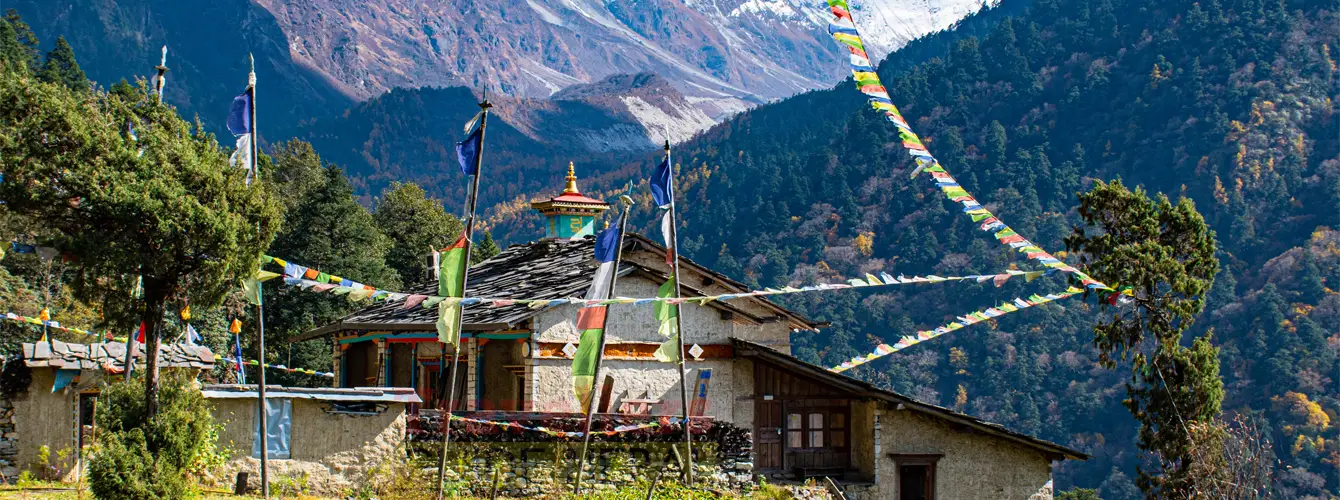
What an unforgettable adventure it was to explore the remote, peaceful, and culturally rich Tsum Valley and to reach the serene Ganesh Himal Base Camp in October 2025. This Tsum Valley Ganesh Himal Base Camp Trek took us deep into one of Nepal’s most beautiful hidden Himalayan valleys, widely known for its untouched landscapes, strong Buddhist culture, ancient monasteries, stupas, mani walls, and friendly local people. Every day felt like opening a new chapter of nature and culture.
Along the way, the mountains, forests, rivers, waterfalls, and traditional villages welcomed us warmly, and the journey slowly connected us to the gentle rhythm of the Himalayas. Overall, the Tsum Valley Trek Nepal experience offered everything a trekker could ask for: deep river valleys, dramatic cliffs, cascading waterfalls, quiet forests, pure Buddhist villages, ancient monasteries and stupas, wide-open landscapes, and towering snow-capped mountains. Most importantly, we experienced warm hospitality and many meaningful moments with the welcoming Tsumba community.
HIGHLIGHTS
Our adventure began with a scenic drive from Kathmandu to Khorlabesi. Leaving the city early in the morning helped us avoid heavy traffic and smoothly exit the Kathmandu Valley. As soon as we left the urban area, Nepal’s natural beauty slowly opened before us: rolling hills, deep valleys, terraced rice fields, and dense forests.
Along the way, we followed the Trisuli River, crossed bridges, and passed countless charming villages along a narrow yet beautiful mountain road. While the roads were bumpy and dusty at times, the changing landscapes and ever-evolving views made the journey an exciting and joyful one.
We stopped at Sotikhola for lunch, enjoyed simple and delicious dal bhat (traditional Nepali food), and then continued our drive. On the way, we even stepped out of the jeep to cross a suspension bridge and witness a beautiful waterfall. By the time we reached Khorlabesi, our excitement for the Tsum Valley Ganesh Himal Base Camp Trek had grown. Our lodge, a small resort with a few trout ponds and coffee plants, felt peaceful and welcoming after a long day of travel.
The next morning, our trekking spirit was high as we began walking through the dramatic Budhigandaki Valley Trek route. This narrow valley is surrounded by tall vertical cliffs rising thousands of meters above the roaring Budhigandak River. Villages cling to the steep slopes, waterfalls tumble down the cliffs, and the river curves beautifully through the rugged landscape. Initially, the walk was comfortable, following the river along a road track. At one point, we even had to walk beneath a huge waterfall; fortunately, the water level was low, making it easy to pass.
After crossing a suspension bridge near Dovan over the Budhigandaki River, the valley gradually widened. The most challenging section was crossing a landslide area. The uphill climb on a narrow trail with loose rocks was tough; however, the stunning scenery made every step worthwhile. Eventually, after a long and meaningful walk, we reached Jagat, an important entry point for both the Manaslu Circuit Trek and the Tsum Valley Trek.
From Jagat onward, the environment slowly began to change. The trail climbed higher, the forests grew thicker and greener, and signs of Buddhist culture appeared everywhere: stupas, mani walls, prayer flags, and Kani (The protector gate from the evil eyes or force). This gentle transition made us feel as though we were entering a sacred Himalayan world.
We passed through Sirdibas and Philim, one of the major settlements in the region, before continuing toward Chisopani. After leaving the main trail, the climb toward the Tsum Valley Trek in Nepal became steeper, marking the true beginning of this hidden valley trekking experience. Soon, we reached Lokpa, a quiet village surrounded by lush greenery, our first real connection with this remote Himalayan valley.
From Lokpa, the trail led us deeper into the heart of the valley. Passing through forests of pine, oak, rhododendron, and bamboo, we enjoyed stunning views of Sringi Himal and Churke Himal along the way.
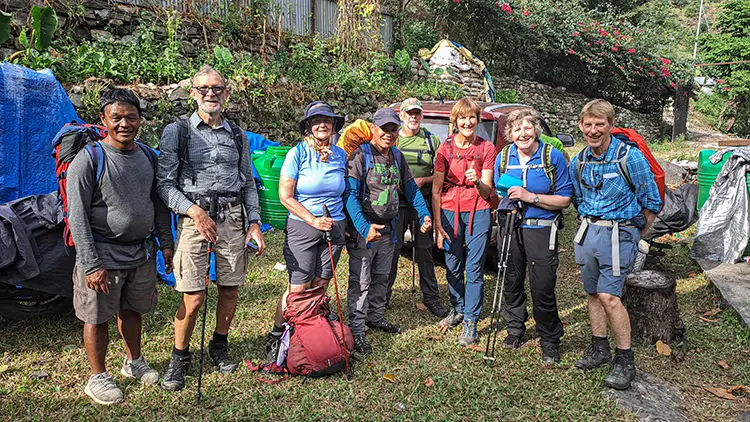
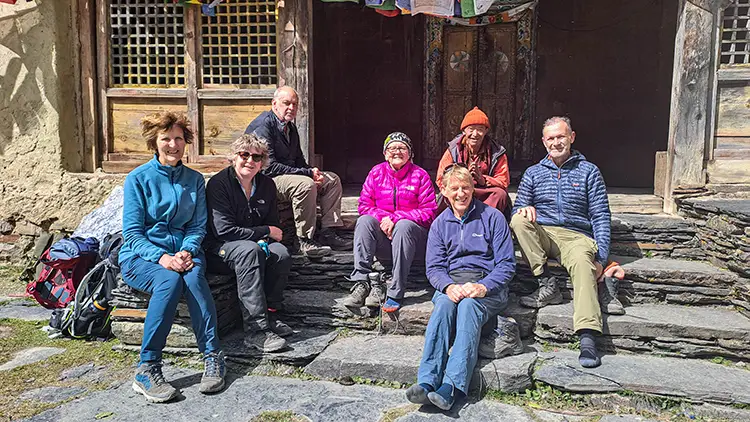
Reaching Chumling felt like stepping into a peaceful and timeless world. This traditional Tsumba village, rich in Tibetan Buddhist culture, welcomed us warmly. We spent the afternoon exploring narrow paths, observing daily village life, and enjoying the simple beauty of the surroundings.
The trail from Chumling to Chhekhampar was short yet challenging. Steep climbs, strong sun, and long ascents tested us, but the views were incredibly rewarding. Chhekhampar, the largest village in Tsum Valley, welcomed us with traditional houses, mani walls, and beautiful mountain views. From there, the trail to Chule was easier, passing ancient stupas and monasteries.
The newly built monastery in Lamagaon was especially impressive, featuring a large Guru Rinpoche statue and symbolic stupas representing important events from Buddha’s life. Chatting with the young monks and students was also a truly memorable experience.
Although we missed visiting Milarepa Cave at Burji due to a local ceremony, the iconic stupas near Chule and the wide-open valley between Chule and Nile became one of the most peaceful sections of the Tsum Valley Trek.
Visiting Mu Gompa became one of the most memorable moments of the entire Tsum Valley Ganesh Himal Base Camp Trekking. We started early in the cold morning air under a clear blue sky, feeling fresh and excited for the day ahead. The trail was gentle at the beginning, gradually becoming steeper as we crossed the river and climbed steadily toward the monastery. Believed to be over a thousand years old, Mu Gompa is the oldest monastery in the region. Perched high above the valley, it radiates peace, power, and deep spiritual energy. As we reached the monastery, the quiet surroundings and wide-open landscape made the place feel truly special.
Inside, ancient statues, sacred art, old scriptures, and flickering butter lamps created a deeply spiritual atmosphere. We lit butter lamps to pray for peace and for departed souls, spending some quiet and meaningful moments inside. The surrounding views were simply breathtaking—snow-covered peaks, dry Himalayan hills, deep blue skies, and the silent valley far below. Everything felt calm, vast, and deeply connected.
After spending time at the monastery, we returned to Chule via the opposite side of the river, enjoying a completely different perspective of the valley and the landscapes we had explored earlier.
On our descent, we visited Rachen Gompa, one of the most important nunneries in the Himalayan region. The newly built stupa nearby was truly stunning, decorated with bright colors, intricate carvings, prayer wheels, and detailed artwork. Beneath the stupa, rows of thousands of Chenrezig statues and massive prayer wheels created a deeply spiritual atmosphere, making this place feel peaceful and sacred.
Along the way, we met local women and shared friendly conversations. While enjoying hot tea at a small lodge, we watched a woman carefully weaving colorful handmade cloth using traditional methods. These warm encounters and simple daily moments made the experience even more meaningful.
Rachen Gompa itself was beautifully decorated with offerings, and the quiet surroundings added to its spiritual charm. As we continued descending down the valley, the landscape appeared completely different from the ascent, offering a fresh perspective of the valley we had just explored.
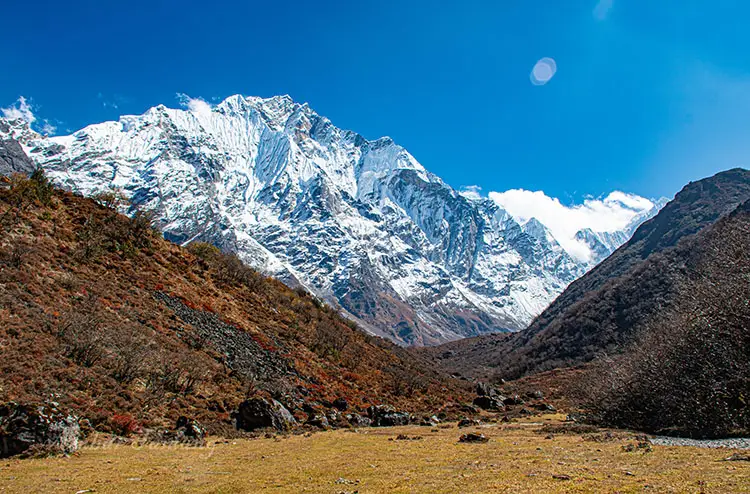
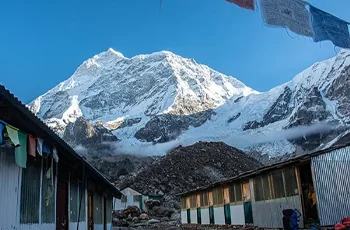
Reaching Gompa Lungdang required both strength and patience. After a short descent to the river, we began a long and steady climb of nearly 1,000 meters through dense forests of pine, oak, and rhododendron. Although the climb was steep and physically demanding, the weather remained perfect, which made the journey more enjoyable. As we gradually gained altitude, the mountains slowly began to reveal themselves. Ganesh Himal and Lumbo Himal rose proudly above the valley, becoming more impressive with every step. The higher we climbed, the more open and rewarding the views became.
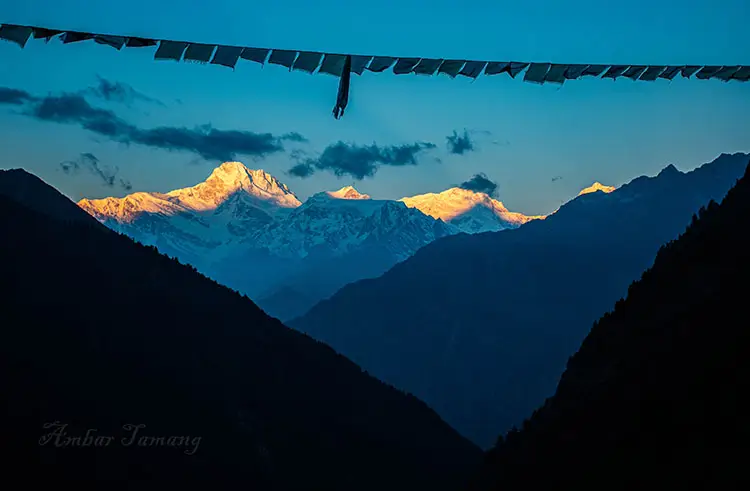
Gompa Lungdang is a sacred nunnery filled with deep spiritual energy. The views from here were truly magical, wide open landscapes, and the towering Ganesh Himal was glowing beautifully right in front of us. The peaceful surroundings and the quiet atmosphere made it a very special place to stay. Inside the monastery, the detailed artwork and the sound of evening chanting created an unforgettable spiritual experience. Sitting quietly and listening to the prayers felt deeply calming and meaningful.
Accommodation was simple but comfortable. The Nepali food served was fresh and delicious, and despite the basic setting, the beds were warm and surprisingly cozy. The cook was excellent, and both the nun and the staff were incredibly kind, welcoming, and friendly. Our stay at Gompa Lungdang was truly wonderful and memorable.
One of the toughest yet most rewarding days of the trek was the hike to Ganesh Himal Base Camp. We started by descending to the river and then began a steady climb through beautiful forest sections. Walking beneath the peaceful forest canopy felt calm and refreshing, and the perfect weather allowed us to enjoy clear mountain views under a deep blue sky.
One of the most challenging sections of the day was crossing the river, where landslides had damaged the trail. With only a few wooden poles placed across the water and faint paths to follow, this part of the trek added both excitement and difficulty to the journey. As we climbed higher, the environment became quieter and more powerful. The forests slowly gave way to open landscapes, and towering Himalayan peaks surrounded us from all sides. The silence and raw beauty of the place made the experience even more special.
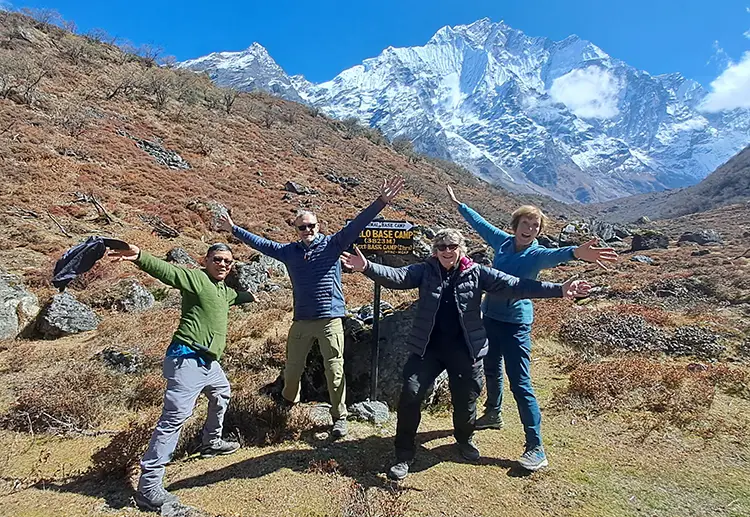
Reaching Ganesh Himal Base Camp felt like a true achievement. The views of Ganesh Himal and the surrounding mountains were unbelievably beautiful, wild, untouched, and deeply peaceful. We spent some time here, taking in the scenery, enjoying the moment, and appreciating the journey. After absorbing the peaceful atmosphere of the base camp, we began our return to Gompa Lungdang, carrying with us a strong sense of accomplishment and unforgettable memories.
The return journey was filled with easier walks, familiar trails, and more relaxed moments. Walking back through Chumling, Lokpa, and Jagat felt both familiar and new at the same time, as the landscapes looked completely different when viewed from the opposite direction.
The walk from Lokpa to Jagat was rainy, and we trekked under steady rain throughout the day. Even though we were completely soaked, the mild temperature made the walk manageable and comfortable enough to continue. Despite the weather, our spirits remained high, and we reached Jagat feeling happy and satisfied.
The final trekking day to Khorlabesi was calm and pleasant. The weather was cloudy, with no strong sun and no rain, just cool air and peaceful walking conditions. It felt like a perfect ending to the trekking journey. In the evening, we celebrated the successful completion of our trek with a joyful dinner, dancing, and plenty of laughter. It was a beautiful way to close such a meaningful adventure.
The Tsum Valley Ganesh Himal Base Camp Trek 2025 was more than just a trek. It was a journey of culture, nature, and personal connection. This hidden valley trekking in Nepal offers raw beauty, deep spirituality, and meaningful experiences. From ancient monasteries to remote villages, every step felt special.
For anyone seeking a remote Himalayan trek in Nepal, this journey is truly unforgettable.
Contact Ambar Tamang at Blossom Expeditions today to customize your 2026 Tsum Valley journey, a perfect balance of culture, nature, and adventure.
Discover this hidden valley, connect with local life, and experience the Himalayas in a meaningful way.
Blossom Expeditions
P.O. Box No. 21101, Kathmandu, Nepal.
info@blossomexpeditions.com
blossomexpeditions@gmail.com
Tel: 977-01-4810388
WhatsApp/Viber. 977-9768995356
Facebook Page
Linkedin
Instagram
Tsum Valley Ganesh Himal Base Camp Trek Part 1
Tsum Valley Ganesh Himal Base Camp Trek Part-2


A True Off-the-Beaten-Path Himalayan Adventure When most people think about trekking in Nepal, these names always come first: Everest,
The Ultimate Wilderness Escape You Shouldn’t Miss Hidden deep in the remote Karnali region, Rara Lake is Nepal’s most pristine and underrated trekking destination. Far from the crowded trails of Everest and Annapurna, the Jumla Rara Lake Trek offers a rare journey into untouched nature, authentic culture, and true Himalayan solitude. If you’re searching for an off-the...
When most travelers think of Trekking in Nepal, they immediately imagine the “Big Two”: Everest Base Camp and the

Comments